
Weekend Read: Did this Cyberweapon Open the "Pathway" to Caracas?
The New York Times confirmed cyberweapons disabled Venezuelan air defenses. The technology to do that has been hiding in plain sight for two decades.

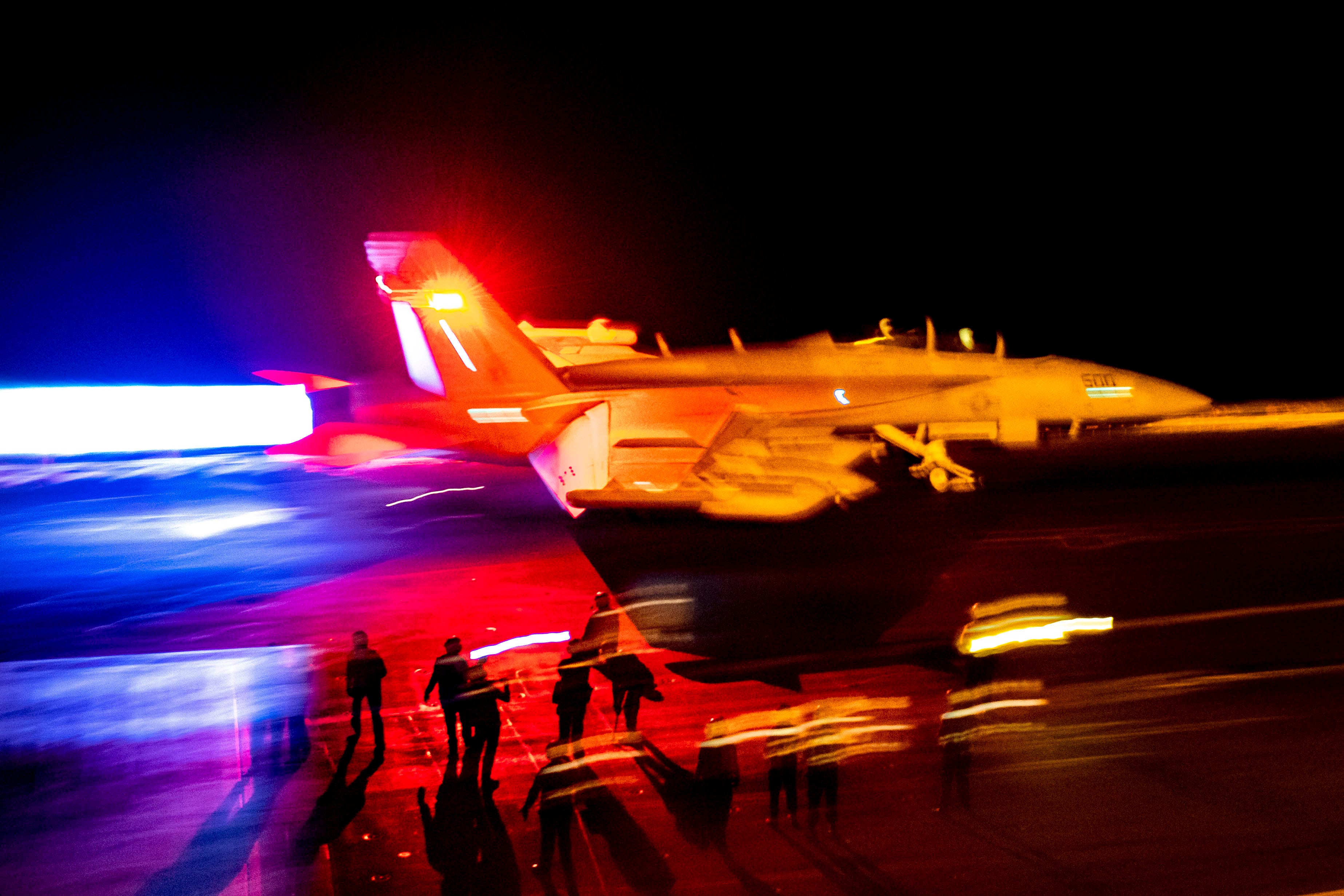
Last week’s Weekend Read was about how the US military carved a “pathway” into Caracas through a coordinated campaign of airstrikes and cyber and space systems attacks that disabled Venezuela’s defenses before a single helicopter crossed the coastline.
The New York Times partly confirmed my reporting on Thursday, noting that the US military used cyberweapons “to interfere with air defense radar” in Venezuela. The interference, combined with a temporary blackout across much of the capital, allowed US military helicopters to move unimpeded into the city to capture Nicolás Maduro.
That single sentence in the Times’ account marks one of the clearest public acknowledgments to date that cyber operations were used not just to disrupt civilian infrastructure, but to suppress air defenses in support of a raid.
It’s a role long theorized, rarely confirmed, and often discussed under the shorthand of “Suter-like” effects.
The Suter Program: Reaching Beyond the Radar
This kind of warfare takes some getting used to. During World War II, aircraft dropped aluminum chaff to confuse radar systems. During the Cold War, electronic warfare fooled radars by fabricating echoes that delayed, duplicated, or distorted the radio signals reflected back to the antenna.
Project Suter went a step further. It is a classified military program designed to penetrate, manipulate, or corrupt an adversary’s integrated air-defense system at the network level, rather than simply jamming or destroying individual radars.
