
Untested supplements popular with special operators move a step closer to legal sale
An FDA panel voted to recommend legalizing six peptides, including the popular “Wolverine stack,” as the Pentagon moves to address low-T operators

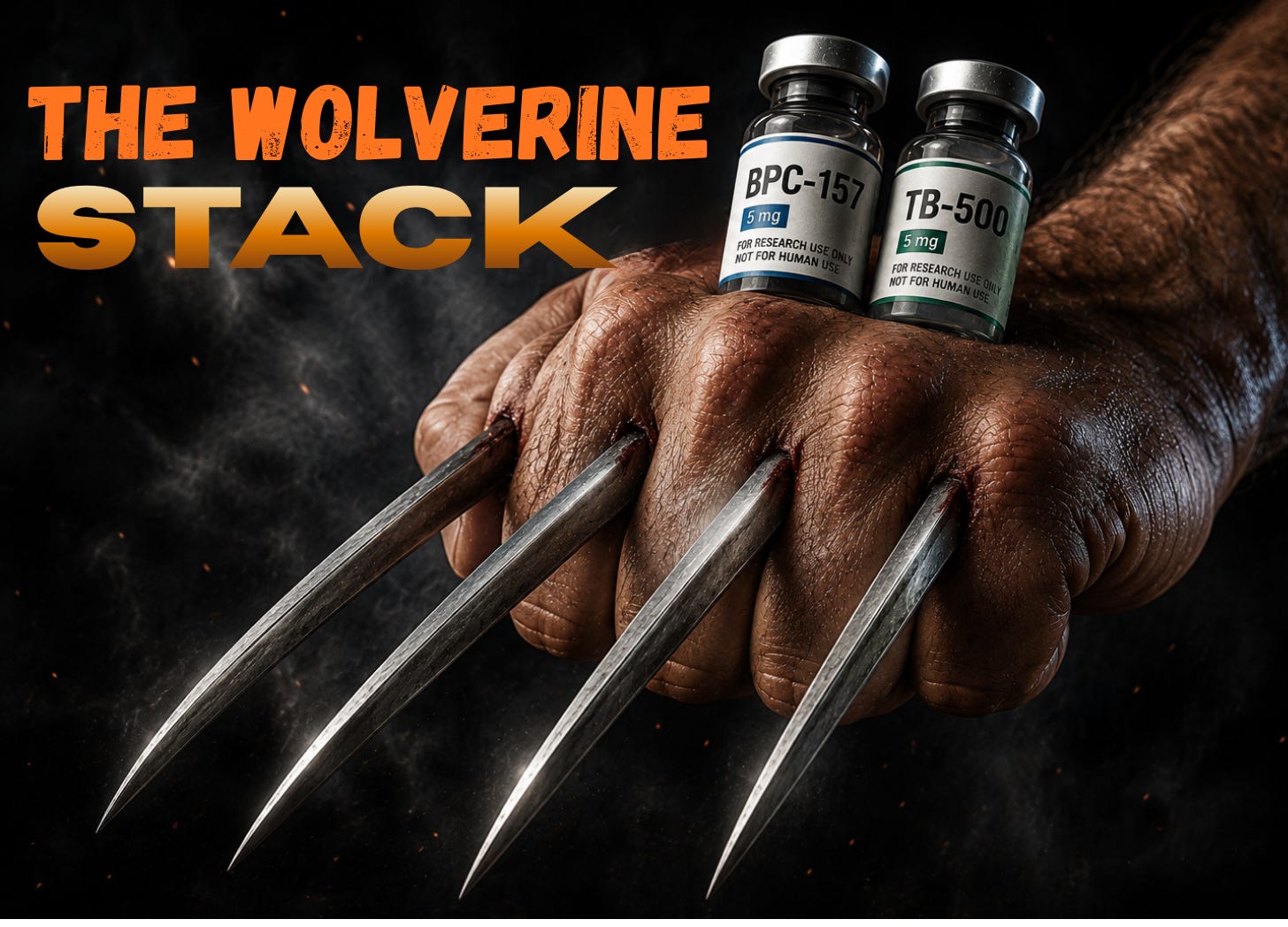
Lured by an almost mythical reputation for faster recovery, the special operations community has for years been using unapproved peptide supplements banned by the Defense Department. One study found that as many as three in four service members may be using some form of supplement, and use was likely higher in special operations, where injuries come with the physical demands of the job.
Peptides are short chains of amino acids, the building blocks of proteins. Many occur naturally in the body, acting as messengers that tell cells when to produce hormones, repair damaged tissue, or reduce inflammation. Insulin, which the pancreas produces to regulate blood sugar, is one well-known peptide. But the peptides special operators are injecting or swallowing are synthetic compounds usually made in China that have undergone little testing in humans.
This week, two developments pushed peptides closer to the mainstream. A Food and Drug Administration advisory panel voted to recommend loosening restrictions on several of them. And a little-noticed provision tucked into the version of the National Defense Authorization Act that passed the House this month would go further still, stripping the Pentagon of its authority to ban peptides for troops altogether.
Meanwhile, the Pentagon is pushing a parallel effort aimed at the same population: mandatory testosterone screening for troops over 30 to treat what it calls “Operator Syndrome.”
The FDA advisory panel voted last week to recommend that the agency allow compounding pharmacies to legally dispense six popular peptides, two of which have become a popular choice in special operations.
BPC-157 and TB-500 are sold together to speed recovery in what has become known as the “Wolverine stack,” named for the Marvel character with superhuman healing abilities. RFK Jr., the health secretary, is a “big fan” of peptides, as is podcaster Joe Rogan. “I had tendinitis in my elbow that I just could not fix. I started using BPC-157, and it was gone in two weeks,” Rogan said in a 2024 podcast with wellness influencer Andrew Huberman..
Peptides and BUD/S
The Wolverine stack has become a fixture of the Navy SEAL training despite being on the DoD Prohibited Dietary Supplement Ingredients List, according to a parent whose son was a candidate in Basic Underwater Demolition/SEAL (BUD/S) training last year.
The parent said several of their son’s fellow trainees told him they had been injecting the Wolverine stack since arriving for training in Coronado, California, and that they continued to do so throughout the course. One trainee estimated that at least 50 people in the pipeline were taking it, and said the stack had been recommended to him by a Navy SEAL mentor before he shipped out. “Literally everyone is taking it,” another trainee reportedly said.
The Navy has struggled to police performance-enhancing drug use in the BUD/S pipeline. In February 2022, Kyle Mullen, a 24-year-old SEAL candidate from New Jersey, died shortly after completing Hell Week. Investigators found vials of testosterone and black-market human growth hormone in his car, a discovery that prompted Naval Special Warfare to begin randomly testing trainees for performance-enhancing drugs.
But the SEAL trainees using peptides were not too worried about getting caught. Peptides like BPC-157 and TB-500 are not classified as steroids, have a very short half-life in the body and/or are identical to natural molecules in the body, making detection difficult.
A spokeswoman for Naval Special Warfare did not return a message seeking comment.
The Defense Department’s own Operation Supplement safety site warns service members to stay clear of products containing BPC-157, which are sold online as “research chemicals” and carry statements such as “Not for human consumption,” “Research use only,” or “For research purposes only.”
“The marketed benefits of BPC-157 have only been shown in lab or animal studies (rats, mice, and dogs),” the DoD supplement site states. “The lack of well-designed, comprehensive, human clinical studies means that there is little to no reliable scientific evidence to support the safety or effectiveness of BPC-157 in humans.”
A measure in the Defense authorization bill that passed the House would remove legally-available peptides from the DoD’s prohibited substances list. “Our troops deserve access to safe, legal tools to recover and stay mission ready,” Rep. Nancy Mace, R-S.C., who introduced the provision, wrote on social media. The measure still needs Senate approval before it can reach the president’s desk.
The clinics next door
The push in Congress reflects a practice that’s already widespread in special operations.
A presentation last year at the Special Operations Medical Association reported that supplement use in the military runs as high as 74 percent, and is likely higher still in the special operations community.
The researchers, Franklyn Mella, a flight paramedic, and Dr. Adam Spanier, a battalion surgeon, both with 3rd Battalion, 160th Special Operations Aviation Regiment, surveyed health and wellness clinics located near bases that are home to special operations units, including Fort Campbell, Kentucky; Fort Bragg, North Carolina; and Hunter Army Airfield in Georgia.
The most common peptides dispensed by these clinics were BPC-157; CJC-1295 and Ipamorelin, growth-hormone-releasing peptides often stacked together to boost muscle gain and recovery; GLP-1 agonists like semaglutide and tirzepatide, used for weight loss; and PT-141, marketed for low libido. Aside from GLP-1s, none of these has been approved by the FDA. They also come with a host of potential side effects, including GI distress, allergic reactions, hypertension, tachycardia, palpitations, and more.
“There are very limited human trials of peptides, and even less randomized control trials,” the researchers concluded. “The proposed safety of peptide therapy claimed by wellness clinics may be deemed predatory to special operation soldiers if their providers do not provide appropriate education.”
The After-Action Report also found numerous websites selling peptides online that claim to ship to APO/FPO addresses used by members of the military.
Low-T operators
Physical injuries are just one of the challenges facing the special operations community. Defense Secretary Pete Hegseth this month mandated testosterone screening for all service members age 30 and older, with those found deficient offered replacement therapy. The policy is aimed at what Hegseth’s memo calls “Operator Syndrome,” a term coined by researcher Chris Frueh in a 2020 paper describing a constellation of symptoms observed among more than 50 special operators over six years. The problems Frueh identified included poor sleep, chronic pain, anger, sexual and intimacy issues, confusion, depression, and suicide.
The evidence behind the new policy doesn’t line up as well as Hegseth’s July 15 memo might suggest. Frueh linked the issues of Operator Syndrome primarily to traumatic brain injuries (TBIs), which he said, based on “anecdotal estimates,” affect a whopping 85 percent of special operators from training alone. He said TBIs can disrupt hormone regulation, but can’t pinpoint what normal testosterone values are for operators, given their grueling training cycles. As evidence, Frueh cites a study of 65 operators, averaging about 30 years of age, funded by Naval Special Warfare, that found 43 percent had testosterone below normal thresholds. But that study attributed the finding to overtraining and nutritional stress, not brain injuries.
In other words, the health issues among operators are real, but the evidence linking them to low testosterone specifically is thin. That hasn’t stopped Hegseth, who, as The Economist put it, "might seem to be influenced less by medical data and more by the so-called manosphere, in which companies flog testosterone supplements directly to young men."
“What is BPC-157?”
The FDA's Pharmacy Compounding Advisory Committee shows a different kind of influence—not a cultural one like Hegseth and his manosphere-friendly Department of War, but a conflict of interest. The committee’s recommendations overruled the recommendations of the agency’s own scientists who said there was too little evidence of their safety and efficacy in humans. The decision came after several new members were added to the board last month with ties to wellness clinics that offer peptide therapies. One of them is Tennessee state Senator Bobby Harshbarger III, a pharmacist whose mother, Rep. Diana Harshbarger, R-Tenn., wrote to RFK Jr. last year urging the FDA to loosen restrictions on peptides.
Five studies of BPC-157 reviewed by the FDA “were of short duration, had small sample sizes and evaluated doses that were likely exploratory in nature,” an agency reviewer said. A 2015 clinical trial involving healthy volunteers was canceled and did not lead to any approved uses, according to a clinical trial database.
FDA reviewers noted potential problems with the other half of the Wolverine stack. The larger protein from which TB-500 is derived, thymosin beta-4, has been “associated” with cancer in lab studies, but the agency reviewers said that no such research has been done on TB-500.
Panel members who voted 8-6 to recommend approval of BPC-157 and TB-500 argued that denying access would only push patients toward an unsafe gray market. That pointed to another problem FDA officials raised at the hearing: It’s not clear what these peptides really are. There is no accepted chemical formula for each peptide
“The question is what is BPC-157?” said Russell Wesdyk, the associate director for regulatory affairs in the FDA’s Office of Pharmaceutical Quality. “We can’t create quality standards until we actually know what it is.”
Really good insight as usual. As someone familiar with this space, the American Urological Association (AUA) Testosterone Deficiency Guideline is where every conversation should start. The important pieces are symptoms, deficiency, and medical monitoring for any treatment. But we test people based on symptoms and need, not blanket screening. That’s where the proposed DOD policy goes afoul, through unnecessary (my opinion) population-based screening instead of targeted testing (which we already do) based on symptoms. https://www.auanet.org/guidelines-and-quality/guidelines/testosterone-deficiency-guideline
This is the second report I have seen regarding peptides. This was much more in-depth. Putting Hegseth in charge just gets worse. In too many ways.